
Salvage Title Fraud in Cleveland, OH
We review title records and sales documents for undisclosed salvage history.
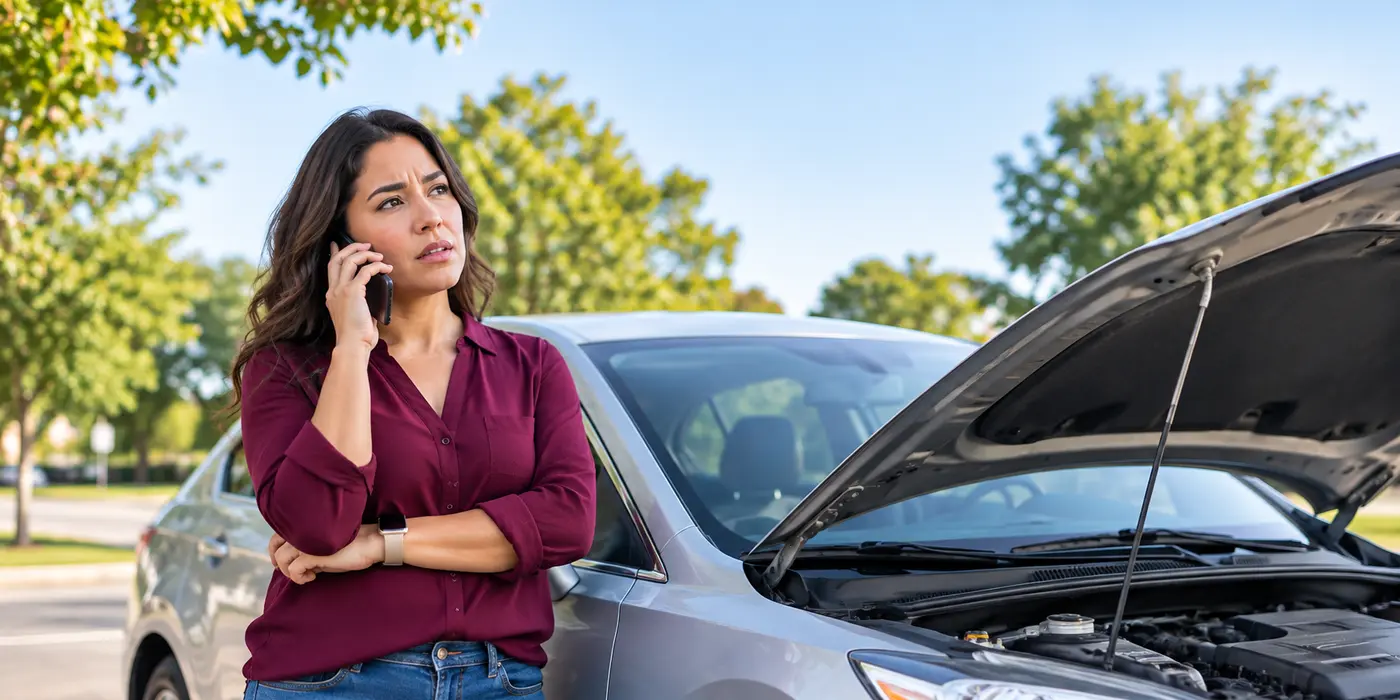
People call us after buying a vehicle they were told had a “clean title,” then finding signs that it had been wrecked, flooded, or rebuilt. They may have noticed mismatched paint, uneven body panels, water stains under the carpet, or an accident entry on a vehicle history report that was not discussed at the sale.
Those calls can involve a concern commonly described as salvage title fraud: a question about whether a prior damage history or title brand was disclosed accurately in the sales transaction. We examine the title record, the listing, the purchase paperwork, and the statements connected to the vehicle rather than assuming that one report tells the whole story.
This is worth looking at now because title transfers, online advertisements, text messages, and dealer records can become harder to locate or compare as the vehicle changes hands. The purchase documents and the condition of the car are most useful when they can be reviewed alongside the original sale records.
Clean title, wrecked car
Owners often say the vehicle was sold as having a clean title, but a body shop later found frame work, replacement airbags, fresh undercoating, or flood-related corrosion. Others report that a vehicle history report shows a salvage, rebuilt, junk, or flood entry; that the title they received does not match the listing; or that the dealer described prior damage differently from what appears in the paperwork.
Some calls concern a dashboard warning light, water in the trunk, doors that do not line up, or a repair shop’s finding that major parts were replaced before the sale. A rebuilt vehicle, an inaccurate listing, an omitted title brand, and a post-sale mechanical issue can sound similar from the driveway, but each turns on different records and different facts.
Case file review
We begin a case file review by discussing the sale, the vehicle, and what you learned after taking possession. In the first conversation, we can usually identify the purchase date, the dealer involved, the title description you recall, and the documents that may matter; questions about disclosure language and prior damage need the paperwork in front of us.
We gather and read the purchase or lease agreement, buyers order, title documents, vehicle history reports, repair orders, dates in and out of the shop, and correspondence with the dealer. We compare the VIN, mileage, sale date, title status, repair findings, advertisements, and written statements to see whether the records match or point to an issue requiring closer review.
Title history, repair orders, warranty
The title history and the sales documents are central in a salvage-title matter. We look at whether a salvage, rebuilt, flood, or other brand appears in the chain of title; whether the vehicle was described differently in an advertisement or purchase agreement; and whether the VIN is consistent across every record.
Repair orders can also matter when they document collision repairs, water intrusion, structural work, airbag replacement, or recurring faults after the purchase. We consider the number of repair attempts, days the vehicle was out of service, whether each shop visit was written up, whether a fault was reported while a warranty was running, whether the vehicle was bought or leased, and who holds the records. Those facts do not all carry the same weight, but missing paperwork can make the history harder to evaluate.
VIN and title records
Before calling, locate the VIN from the dashboard, registration, insurance card, or purchase paperwork and compare it with the VIN on any title or vehicle history report. Keep the purchase or lease agreement, buyers order, financing papers, and the title or title application together, since disclosure language may appear in more than one document.
Save screenshots or printouts of the original online listing, especially any statements about title status, accidents, condition, or prior repairs. Find repair orders showing the date, mileage, technician findings, and parts replaced, along with emails, text messages, and letters exchanged with the dealer. Note when you first saw the title record or learned about the prior damage, and preserve photographs of body panels, water marks, or repair work. Call CLE Lemon Law Solutions at (216) 598-8733 while the advertisement, correspondence, and original title records are still easier to preserve and compare.
Next: auto warranty denials, or back to the home page.