
Defective Car Claims in Cleveland, OH
We review recurring vehicle defects, repair records, and shop visits in Cleveland.
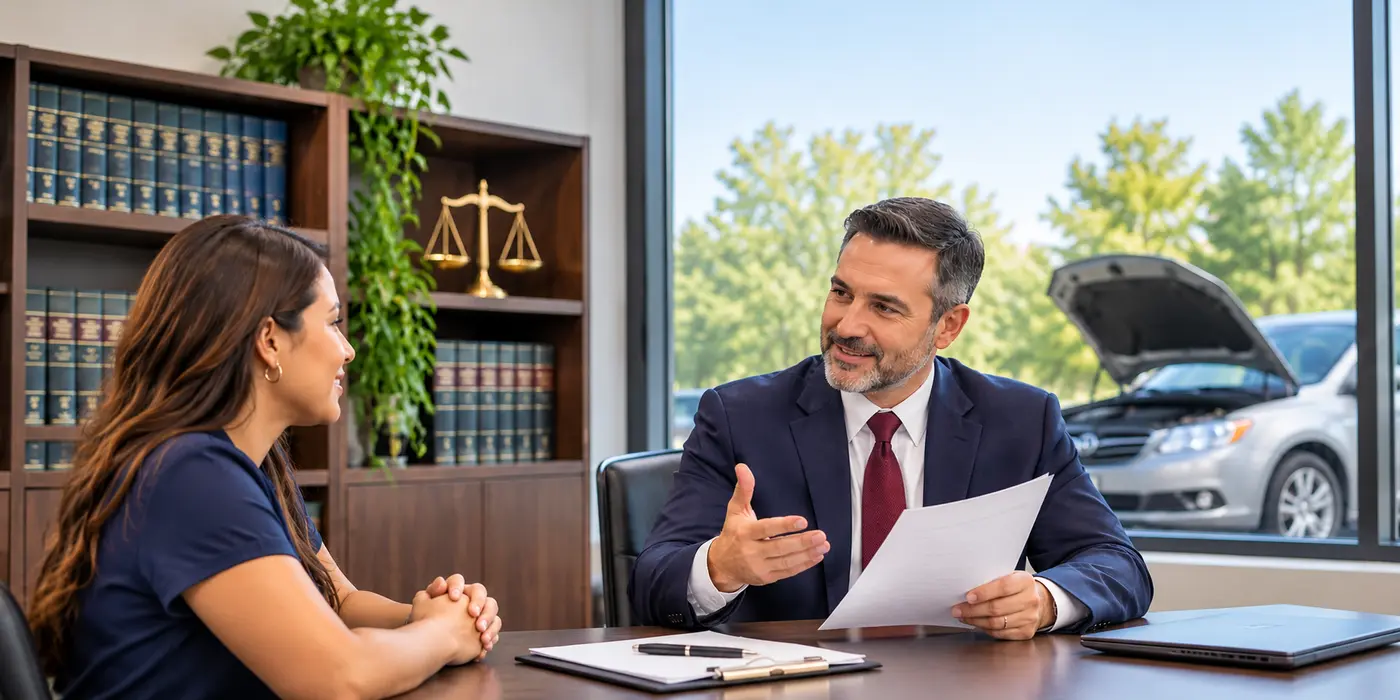
The rattle, warning light, or sudden loss of a vehicle feature sends most owners back to the dealer first. That is the sensible move: a technician needs an opportunity to inspect the car, identify the fault, and create a repair order.
The difficulty starts when the same symptom returns after a shop visit, or when the repair order says the technician could not duplicate a problem you experience every day. A visit for a warning light, a second visit for the same warning light, and an invoice showing replacement parts can tell a different story than a single repair.
We handle defective car claims by reviewing the vehicle’s repair history and the documents surrounding each shop visit. This is worth looking at now when the issue is recurring because repair records, mileage readings, and the connection between each complaint and each repair can become harder to reconstruct later.
Warning light and stalling
Owners often call about a check-engine light that keeps coming back after the dealer clears it or replaces a part. Others describe a car that stalls at a stoplight, hesitates during acceleration, or loses power while merging onto a highway.
Some complaints involve a screen that goes black, a backup camera that disappears, or door locks that stop responding. We also hear about a transmission that jerks between gears, a steering wheel that pulls, or a fuel smell inside the cabin.
Those descriptions may sound similar from a driveway, but the repair orders can show very different fault codes, parts, technician notes, and dates. We examine each vehicle problem as its own record rather than treating every repeat trip to the shop as the same situation.
Case file review
We begin a case file review by reading the purchase or lease agreement, the repair orders, and the dates your vehicle went into and out of the shop. We compare your stated complaint with the technician’s findings, the parts listed on each invoice, the mileage at each visit, and any remaining warranty documents.
We also gather correspondence with the dealer, including emails, text messages, appointment confirmations, and notes about a loaner vehicle or a request to return for another inspection. These documents can help place a repeated symptom alongside the repair history.
During the first conversation, we can usually clarify the vehicle’s basic problem, whether it was bought or leased, and which records are available. Questions about repeated attempts, time out of service, warranty status, and what the dealer documented require the paperwork in front of us.
Repair attempts, shop days, warranty
The number of repair attempts matters because separate visits for the same complaint may show that a fault continued after an inspection or replacement part. Repair orders are especially useful when they repeat the same description, diagnosis, fault code, or component across multiple shop visits.
Days out of service also matter when the vehicle remained at the dealer while a technician waited for a part, performed testing, or attempted another repair. The in-and-out dates on each repair order, along with any loaner agreement, help establish how the vehicle was unavailable.
We check whether the problem was reported while the warranty was still running and whether the record identifies a warranty repair. We also review whether the vehicle was purchased or leased and who holds the original agreement, repair invoices, and dealer correspondence, because missing documents can affect how clearly the history can be evaluated.
Repair orders and VIN
Keep the repair orders from every dealer visit, including pages that list your complaint, the technician’s notes, the mileage, and the date the vehicle entered and left the shop. These papers are often in the glove box, an email attachment, a dealer portal, or a service folder at home.
Have the purchase or lease agreement available, along with the vehicle identification number and any warranty booklet. The VIN is commonly printed on the agreement, insurance card, registration, and the lower corner of the windshield.
Before calling, check the dates of each appointment and whether the dealer recorded the same symptom you reported. Call CLE Lemon Law Solutions at (216) 598-8733, because the link between a recurring defect and each repair order gets harder to document as records and recollections fade.
Next: salvage title fraud, or back to the home page.